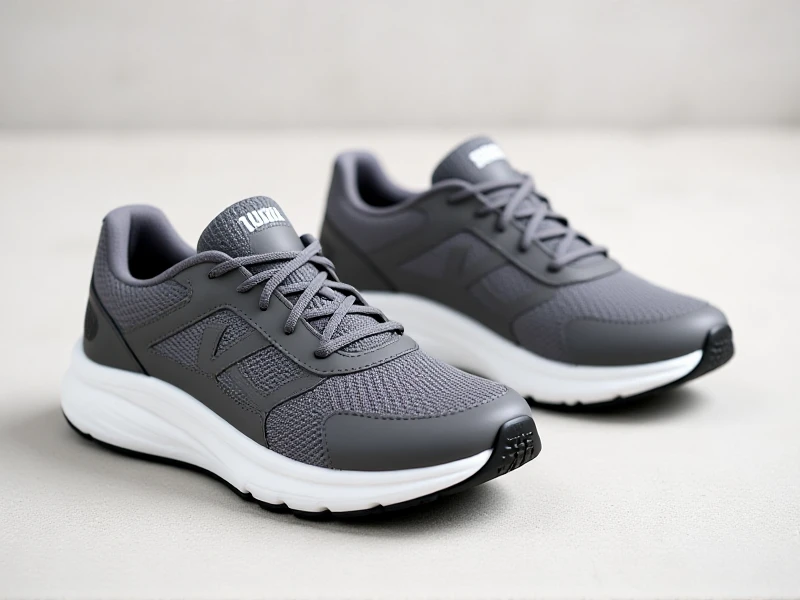
Finding Your Perfect Running Shoes: A Guide for Every Runner
Running isn't just exercise; it's freedom, challenge, and achievement. But your journey hinges on one crucial piece of gear: your running shoes. The right pair supports your body, enhances performance, and prevents injury. So, how do you find the ideal match among the vast world of running shoes? Let's dive into key factors.
Fit is Supreme: Never compromise on fit. Your running shoes should feel snug at the heel and midfoot, with about a thumb's width of space between your longest toe and the end of the shoe. Swollen feet happen! Ensure there's no pinching or rubbing; blisters are the enemy of progress. If possible, get professionally fitted later in the day when feet are naturally larger.
Understanding Your Gait & Arch: How your foot naturally moves (pronation) is vital. Do you overpronate (roll inward), supinate (roll outward), or have a neutral stride? Similarly, knowing your arch height (low, medium, high) matters. Visit a specialty running store for a gait analysis—most offer it free. This insight will guide you towards running shoes offering the right stability features: neutral, stability, or motion control.
Consider Your Training Ground: Where you primarily run dictates shoe needs.
- Road Runners: Designed for pavement, these running shoes prioritize cushioning and weight. Brands like Nike Pegasus, Brooks Ghost, and Asics Gel-Nimbus excel here.
- Trail Running Shoes: Tackling dirt paths and rocks requires more aggressive tread (lugs), sturdier uppers, and often rock plates for protection. Explore options from Hoka, Saucony Peregrine, or Altra.
- Track & Speedwork: For intervals or racing, lightweight, minimalist running shoes and dedicated racing flats/super shoes offer less cushioning but maximize energy return and speed. Think models like Adidas Adizero.
Cushioning & Drop Preference: The level of cushioning varies from minimalist to maximalist. Determine your preference for ground feel versus plush shock absorption. The "drop" (height difference between heel and toe) also affects stride mechanics; common drops are 8-12mm (heel higher), 4-8mm (neutral), or 0-4mm (minimalist). Lower drops encourage a more midfoot strike.
Prioritize Comfort & Trust Your Feel: Even the most recommended running shoes won't work if you aren't comfortable in them. Take them for a test run or jog in-place at the store. Focus on how they feel under your feet – it should feel natural, supportive, and effortless to move.
Ultimately, your perfect pair seamlessly blends science and personal feel. They disappear beneath you, letting the run take center stage. Consider starting your search at a knowledgeable running specialty store, armed with an idea of your terrain and stride. How about you – have you found your perfect stride partners? What features make your running shoes stand out?