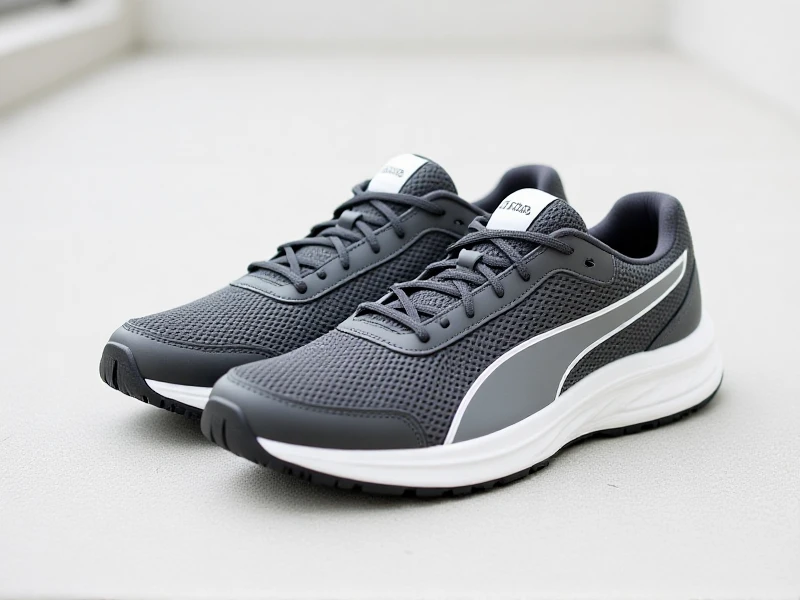
Find Your Perfect Running Shoes: A Runner’s Essential Guide
Here’s an SEO-optimized article targeting the keyword "Running Shoes" for your website:
Every step matters when you hit the pavement or trail. Your running shoes aren't just footwear; they’re the foundation of comfort, performance, and injury prevention. Choosing the right pair is crucial, yet navigating the vast array of options can feel overwhelming. Understanding key features empowers you to find running shoes tailored perfectly to your stride and goals.
Forget a one-size-fits-all solution. The best running shoes start with fit. Your foot shape and size dictate comfort more than any marketing claim. Prioritize trying shoes in the late afternoon when feet swell slightly, ensuring a thumb's width of space beyond your longest toe after lacing up snugly. Width matters too – cramped toes lead to blisters and black nails on long runs.
Next, consider cushioning. Does your stride crave plush softness absorbing impact like a Hoka or Brooks model? Or do you prefer a more responsive, ground-feel experience often found in minimalist styles or racing shoes like Nike's Streakfly? Your body weight, running surface (road, trail, track), and personal preference play significant roles. Adequate cushioning protects joints, while responsive designs promote faster turnover.
Analyze your pronation – the natural inward roll of your foot after landing. Most runners pronate mildly, needing neutral shoes for balanced support. Severe overpronation (ankles collapsing inward) benefits from structured stability or motion control shoes with medial posts, often from brands like ASICS (e.g., Gel-Kayano) or Saucony (e.g., Guide). Underpronators (supinators) generally require neutral, flexible shoes with enhanced cushioning.
Don't overlook the terrain. Road running shoes prioritize lightweight cushioning and smooth transitions. Trail running shoes demand aggressive outsoles for superior grip on muddy, rocky paths and protective toe caps, exemplified by Salomon Speedcross or Brooks Cascadia models. Match the shoe's purpose to your primary running environment.
Replace your running shoes every 300-500 miles, as midsoles inevitably lose their shock-absorbing properties. Signs of wear include uneven tread patterns, creasing foam, and lingering muscle aches after familiar routes. Investing in the right pair protects your investment in health and performance.
Finally, trust your comfort above all trends. Running shoe technology offers endless innovations like carbon plates for propulsion or novel foam compounds maximizing energy return. Yet, the pair that feels effortlessly comfortable from the first stride often becomes your best training partner. Visit a specialty running store for gait analysis if possible, then hit the ground running with confidence.