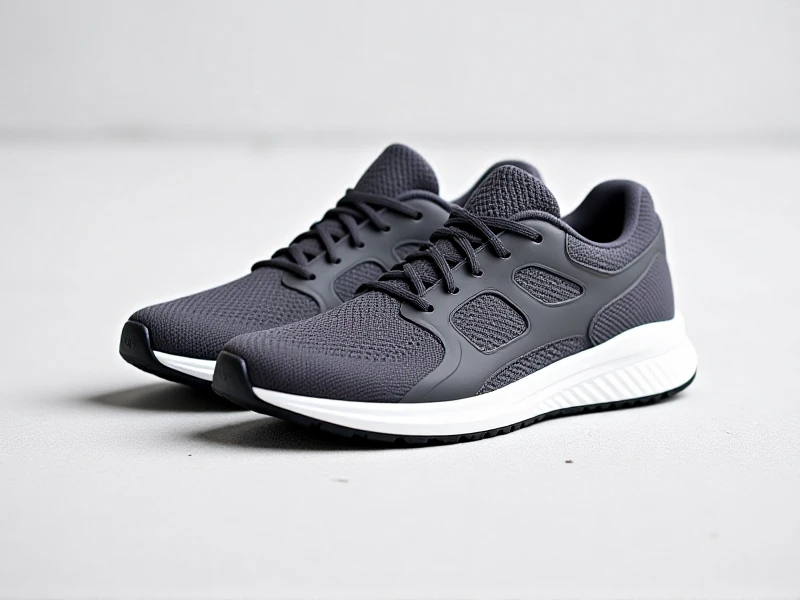
Hitting Your Stride: Choosing the Perfect Running Shoes
Here is a 400-word SEO article focused on "Running Shoes":
Finding the right pair of running shoes isn't just about style; it's crucial comfort, performance, and injury prevention. With countless options overflowing the shelves, selecting the ideal running shoes can feel overwhelming. This guide cuts through the noise, helping you find footwear perfectly suited to your stride and goals.
The foundation of any good run starts from the ground up. Your running shoes significantly impact how your feet interact with the pavement or trail, influencing alignment and shock absorption. Worn-out or ill-fitting shoes contribute to common ailments like shin splints, plantar fasciitis, knee pain, and blisters. Investing in appropriate footwear tailored to your gait and running surface is an investment in your long-term running health and enjoyment.
Not all running shoes are created equal. Key variables define different types:
- Cushioning Level: Ranges from maximal (plush and shock-absorbing) for comfort on long runs, to minimal (lightweight and closer-to-ground feel) for natural motion, with moderate options in between.
- Support & Stability: Essential for runners whose feet roll inward excessively (overpronation). Stability running shoes feature firmer materials in the midsole to guide the foot and prevent inward collapse.
- Drop (Heel-to-Toe Offset): The difference in height between the heel and forefoot. Higher drops (e.g., 10-12mm) promote heel striking, while lower drops (e.g., 0-6mm) encourage a more midfoot or forefoot strike.
- Surface Suitability: Road running shoes prioritize cushioning for hard pavement. Trail running shoes feature aggressive treads for muddy or rocky terrain and offer enhanced protection. Track spikes prioritize lightweight speed.
Three Keys to Your Perfect Fit:
- Gait Analysis: Visit a specialty running store. Professionals often analyze your gait (how your foot lands and rolls) using treadmills or pressure plates. This identifies pronation types (neutral, overpronation, underpronation/supination) and steers you towards stability, neutral, or motion control shoes.
- Consider Your Running: How far, how often, and where do you run? A marathon trainee needs different cushioning than a short-track sprinter or a weekend trail explorer. Be honest about your typical routine.
- Fit is Paramount: Sizing matters! Feet swell during runs. There should be about a thumbnail's width of space (roughly half an inch) beyond your longest toe. Your heel should be snugly held without slipping. Ensure the widest part of your foot aligns comfortably with the shoe's widest part. Always try shoes on later in the day when feet are largest, wearing the socks you run in.
Don't hang onto old favourites past their prime. Most running shoes last between 300-500 miles. Monitor cushioning compression in the midsole and tread erosion on the outsole. When impact feels jarring or knees/shins frequently ache, it’s likely replacement time.
Choosing running shoes is a personal journey. Prioritize your unique mechanics, comfort, and running purpose. The "perfect" shoe effectively disappears beneath you, letting your focus stay entirely on the run itself. Ready to experience the difference great footwear makes? Go find your perfect match.