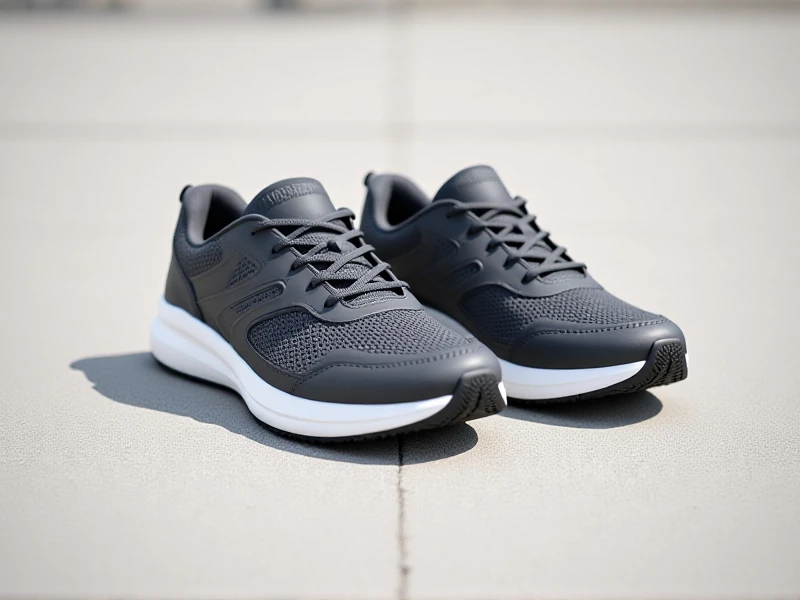
The Ultimate Guide to Choosing the Right Running Shoes
Running isn't just about willpower; the right gear is crucial, and that starts with your foundation: your running shoes. Wearing proper running shoes is essential for performance, comfort, and most importantly, preventing injury. But with countless options flooding the market, how do you find the perfect pair for your feet and running style?
Understanding your needs is the first stride. Consider the terrain: Do you primarily run on roads, trails, or a mix? Running shoes are designed specifically for different surfaces. Road shoes offer cushioning for pavement, while trail running shoes provide aggressive tread and underfoot protection for uneven paths. For versatile training, hybrid models exist.
Next, focus on fit and feel. Never underestimate the importance of trying shoes on later in the day when feet are naturally slightly larger. Wear your regular running socks. Ensure a snug—not tight—fit through the heel and midfoot, with adequate space (roughly a thumb's width) beyond your longest toe. There should be no pinching or excessive pressure. Walk around the store, even jog if possible. True comfort is non-negotiable.
Key features demand attention:
- Cushioning: Ranges from minimalist to maximum. What feels good? It absorbs shock, reducing impact on joints.
- Support & Stability: Do your feet overpronate (roll inward excessively)? Stability or motion control running shoes offer reinforcement to guide your stride neutrally. Runners with neutral mechanics can opt for neutral cushioned shoes.
- Weight: Lighter shoes often favor speed, while slightly heavier options might provide more cushioning and durability.
- Drop: This refers to the height difference between heel and forefoot. Traditional shoes have a 10-12mm drop; lower drops encourage a more midfoot strike. Choose what feels natural or aligns with your gait.
- Breathability: Mesh uppers are standard for allowing airflow and keeping feet cool during runs.
Don't neglect durability. Look for sturdy rubber outsoles, particularly in high-wear areas like the heel and forefoot. Reinforcements around the toe box also help longevity.
Finally, remember cushioning and support degrade over time. Experienced runners often suggest replacing running shoes every 300-500 miles, depending on your weight, running style, and the surfaces you frequent. Worn-out shoes lose their protective qualities, increasing injury risk.
Selecting the ideal running shoes involves self-assessment and informed testing. Prioritize fit above fashion or brand hype. Visiting a specialty running store for expert gait analysis and fitting advice is highly recommended. Investing wisely in the right pair will make every mile more enjoyable and help you stay healthy on your running journey. It’s the most important step toward stepping up your running game.