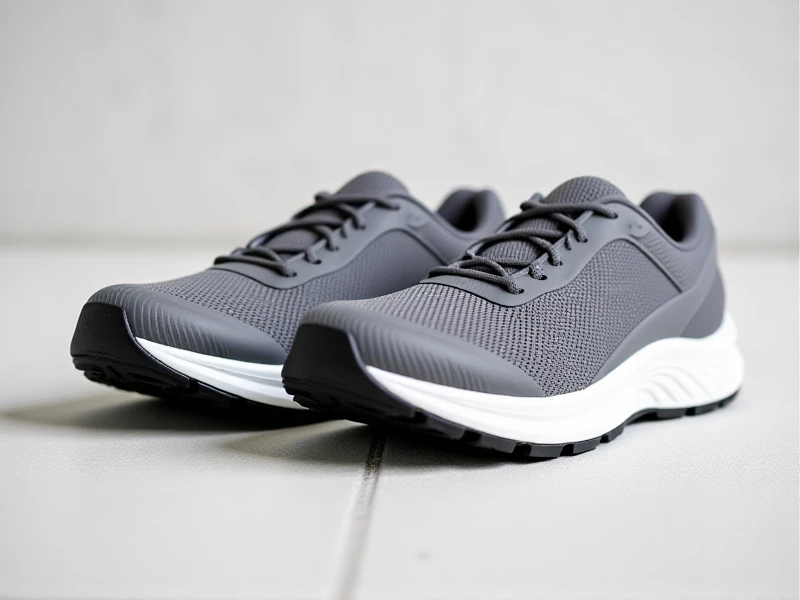
Finding Your Perfect Fit: The Ultimate Guide to Running Shoes
Hitting the pavement or trail is one of life's great joys, but it hinges on a critical element: the right pair of running shoes. Wearing improper footwear isn't just uncomfortable; it significantly increases your risk of injury and can derail your fitness journey. Choosing your perfect running companion requires understanding key factors beyond fashion.
First and foremost, consider your unique gait and foot type. Do you overpronate (your foot rolls inward excessively), underpronate (rolls outward), or are you neutral? Visiting a specialty running shoes store for a gait analysis is invaluable. Experts observe your stride and recommend footwear offering the correct level of support, stability, or neutrality to correct imbalances and promote efficient movement.
Durability is paramount. Quality running shoes feature robust outsoles, typically made from high-abrasion carbon rubber, designed to withstand miles of impact. Look for reinforced wear zones. Equally crucial is cushioning. While some runners crave maximal plushness forgiving on joints, others prefer a responsive, ground-connected feel. Modern midsoles utilize advanced foams (like EVA derivatives, TPU, or PEBA) for the ideal blend of shock absorption and energy return tailored to different distances and preferences.
Breathable mesh uppers promote airflow to keep feet cool and comfortable over long runs, while secure overlays like welded seams or synthetic reinforcements lock down your midfoot without adding bulk. Weight matters too – lighter shoes can feel effortless on faster runs, while heavier trainers might prioritize ultimate cushioning for marathons.
The terrain dictates the tread. Sleek road-running shoes prioritize smooth transitions on hard surfaces with flexible grooves. Rugged trail shoes boast aggressive, multi-directional lugs and protective plates to conquer mud, rocks, and roots. Hybrid options offer versatility.
Never underestimate the fit. Prioritize a snug (not tight) heel counter and ample toe room. Your toes should splay comfortably without rubbing, with about a thumbnail's width of space beyond your longest toe when standing. Consider trying shoes on later in the day when feet tend to swell. Rotating between two pairs helps extend the lifespan of your running shoes.
Advancements bring even more customization. Some brands offer adaptive lacing systems or models featuring unique motion guidance technologies. Consider your running frequency and typical distances before exploring specialized minimalist, highly cushioned, or carbon-plated options. Listen to your feet – subtle aches can hint it's time for a replacement cushioning system or new running shoes.
Investing time in finding the right running shoes pays dividends in performance, comfort, and injury prevention. Prioritize support, cushioning, fit, and durability to unlock the incredible potential of every stride. Your perfect run awaits! For personalized recommendations, consult with specialists at your local running store.